
Economic Snapshot: 2025 So Far
The global economy in 2025 is navigating a complex web of recovery signals, cautious optimism, and emerging digital disruptions. While the U.S. is showing signs of controlled inflation and strong labor markets, concerns over interest rate volatility, geopolitical tension, and tech-sector overvaluation continue to influence investor sentiment worldwide. In today’s interconnected markets, these dynamics not only affect national economies but also ripple across continents through trade, investment flows, and digital currency experiments. Governments and investors alike are walking a tightrope between stability and transformation — aiming to adapt to new norms while staying grounded in fiscal discipline and long-term growth objectives.
United States: Inflation Cooling, But Caution Remains
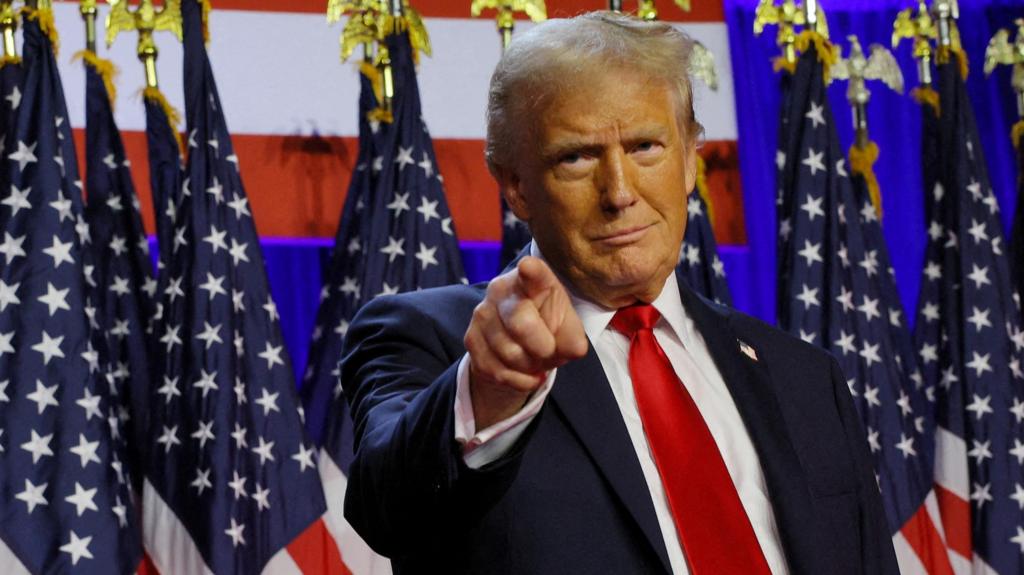
The U.S. economy is gradually stabilizing after a turbulent 2023–2024 marked by aggressive interest rate hikes from the Federal Reserve. Despite earlier fears of a hard landing, the American economy has shown resilience due to consumer demand, government stimulus in infrastructure, and a strong labor force that has resisted mass layoffs.
- Inflation Rate (May 2025): 2.6% YoY (down from 6.1% in 2023)
- Unemployment Rate: Holding near 3.9%, suggesting continued labor market strength
- Federal Funds Rate: Currently at 4.75%, with the Fed signaling no immediate cuts, citing "data-dependent" strategy
- Consumer Spending: Rising cautiously, especially in services, travel, and tech sectors
Recession fears have faded, but some analysts warn that a "soft landing" isn’t guaranteed, especially if energy or housing markets show sudden swings. The Fed remains vigilant, monitoring wage growth, corporate earnings, and inflationary supply chain bottlenecks before taking further steps.
European Union: Energy Stability and Green Investment
After battling high energy prices post-2022, Europe is seeing relative price stability. Natural gas reserves have stabilized, and alternative energy infrastructure has made significant strides, lessening dependency on Russian imports and boosting confidence in long-term resilience.
- The European Central Bank (ECB) has paused rate hikes and is focusing on stimulating green tech and infrastructure investment
- Germany and France are launching multi-billion euro climate and AI R&D initiatives
- Consumer sentiment has improved, but purchasing power remains squeezed in some southern nations like Italy and Spain
In addition, EU countries are pushing forward on digital tax frameworks, fintech regulation, and inter-EU trade simplification, signaling an effort to future-proof the bloc’s economic engine.
China: Manufacturing Slows, But Digital Yuan Gains Momentum
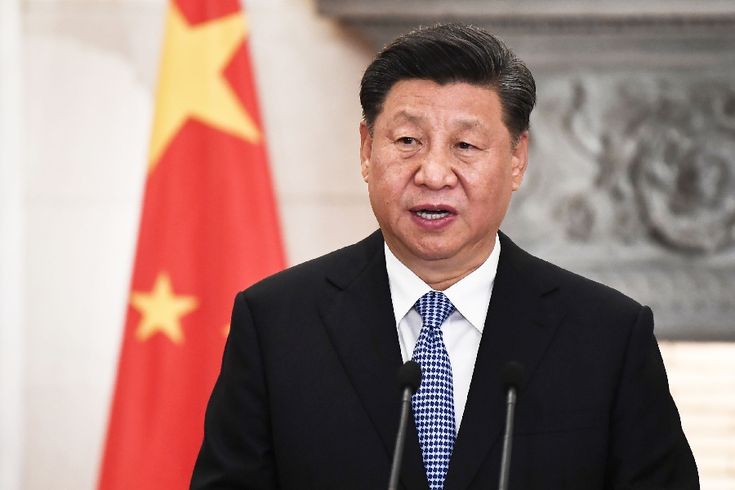
China's growth rate has cooled to around 4.5%, as export demand from the West weakens and domestic consumption struggles to rebound. The country’s leadership has acknowledged the shift from export-driven growth to domestic innovation and consumption — a delicate transition for the world’s second-largest economy.
- Real estate remains fragile; major developers continue restructuring
- The Digital Yuan (e-CNY) is now integrated into 70+ major cities, especially for government payments
- China’s AI and semiconductor investments have doubled under new national policy
Supply chain resilience remains a key theme, with “friend-shoring” affecting Chinese exports. Tech partnerships with Russia, Africa, and Latin America are becoming more common as China diversifies global dependencies, even while managing internal debt and demographic shifts.
India: Domestic Growth Strong, Rupee Under Pressure

India is one of the few major economies still growing at 6.8% YoY, supported by robust government reforms, urban infrastructure development, and strong consumer-led demand in digital services and small enterprises. The rise in local entrepreneurship and booming middle class are reshaping economic models across key sectors.
- Strong consumer demand and infrastructure spending
- A booming UPI-based digital payment system
- Government backing of fintech, manufacturing, and green energy
But the Indian Rupee has weakened slightly against the USD due to oil imports and global investor caution. India’s central bank remains active in managing currency volatility through monetary interventions, while foreign direct investment continues to flow into the tech and healthcare sectors.
Global Themes to Watch
- Central Bank Digital Currencies (CBDCs): Over 40 countries are now piloting or deploying CBDCs
- Crypto Regulation Tightening: Especially in the U.S. and EU — impacting DeFi platforms
- Gold and U.S. Treasury Bonds: Back in demand as safe-haven assets amid market volatility
- AI in Finance: Algorithmic trading, robo-advisors, and predictive analytics are reshaping portfolio management
The financial world is seeing a convergence of technology and regulation, where digital finance is no longer experimental — it’s foundational. Investors are now balancing innovation with risk, ensuring they adapt without being exposed to unregulated terrain.
Takeaway for Investors and Observers
The world economy in 2025 is no longer in crisis mode, but it’s still adjusting. With inflation easing and tech innovation accelerating, we're entering a new normal — one that blends traditional economic policy with digital transformation.
What to watch:- Upcoming Fed meetings (interest rate clues)
- U.S. consumer credit trends
- China’s export vs domestic consumption shift
- Growth of CBDC ecosystems
- AI’s role in finance and forecasting
Whether you're a passive observer or active investor, keeping track of these trends will be essential in navigating the economic shifts ahead. Now is the time to stay updated, diversify, and understand where global finance is heading — because the pace of change is accelerating.